In the world of fluid power, efficiency and weight are often at odds. You want a component that can handle the pressure but won't turn your machin
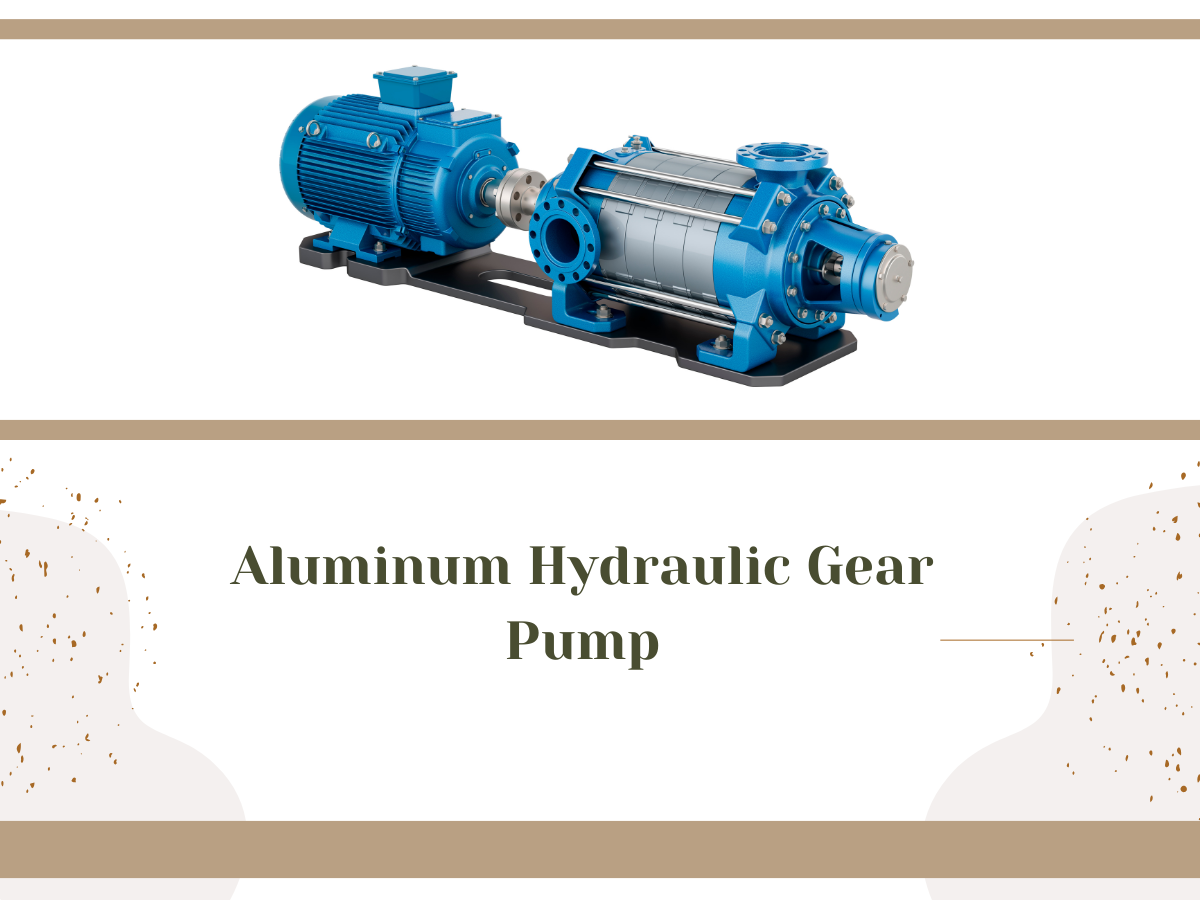
In the world of fluid power, efficiency and weight are often at odds. You want a component that can handle the pressure but won’t turn your machinery into a lead weight. Enter the aluminum hydraulic gear pump—the reliable, lightweight workhorse found in everything from agricultural tractors to industrial power units.
Whether you’re an engineer designing a new system or a technician looking for a replacement, understanding why these pumps are a industry standard is key.
What is an Aluminum Hydraulic Gear Pump?
At its core, a hydraulic gear pump converts mechanical energy (rotational motion) into hydraulic energy (fluid flow). It does this using two meshing gears—a drive gear and an idler gear.
As these gears rotate, they create a vacuum at the inlet, drawing fluid in. The fluid is then trapped between the gear teeth and the pump housing, carried around the outside of the gears, and forced out through the discharge port.
Why Aluminum? While cast iron pumps exist for extreme-duty cycles, aluminum alloy bodies offer a superior strength-to-weight ratio. They dissipate heat faster than steel and are naturally more resistant to certain types of corrosion.
Key Advantages of Aluminum Gear Pumps
Choosing an aluminum gear pump isn’t just about saving a few pounds; it’s about optimizing your system’s performance.
-
High Power Density: These pumps pack a punch. They provide high flow rates and can handle pressures typically up to 3,500 PSI (250 bar) while remaining compact.
-
Thermal Efficiency: Aluminum is an excellent conductor of heat. This allows the pump to shed heat generated by internal friction more effectively, keeping your hydraulic oil at a stable operating temperature.
-
Cost-Effectiveness: Compared to piston pumps or complex vane pumps, gear pumps are significantly more affordable to manufacture and maintain.
-
Versatility: They are available in various “groups” (Group 1, 2, and 3 are common), meaning there is a size and displacement for almost any mobile or industrial application.
Common Applications
You’ll find aluminum hydraulic gear pumps “under the hood” of many essential machines:
-
Agriculture: Powering steering systems, lifts, and attachments on tractors and harvesters.
-
Construction: Operating the hydraulic functions on skid steers, mini-excavators, and aerial lifts.
-
Material Handling: The primary source of lift power for forklifts and reach trucks.
-
Log Splitters: Providing the high-pressure force needed to breeze through tough timber.
Maintenance Tips for Longevity
Even though these pumps are rugged, they aren’t invincible. To get the longest life out of your aluminum gear pump, keep these three things in mind:
Keep it Clean: Contamination is the #1 killer of gear pumps. A single tiny metal shard can score the aluminum housing, leading to internal leakage (slippage) and a massive drop in efficiency.
Watch the Oil: Ensure you are using the correct viscosity. Oil that is too thin won’t provide a proper seal, while oil that is too thick can cause cavitation.
Check the Seals: Periodically inspect the shaft seal. A leak here doesn’t just lose oil—it can let air into the system, leading to “spongy” hydraulics and noisy operation.
Conclusion
The aluminum hydraulic gear pump remains a cornerstone of modern hydraulics because it balances cost, weight, and performance perfectly. When you need a reliable flow of power in a package that won’t weigh you down, aluminum is the way to go.
Need help sizing the right pump for your project? I can help you calculate the required displacement based on your desired flow rate (GPM) and RPM. Would you like me to run those numbers for you?

COMMENTS